

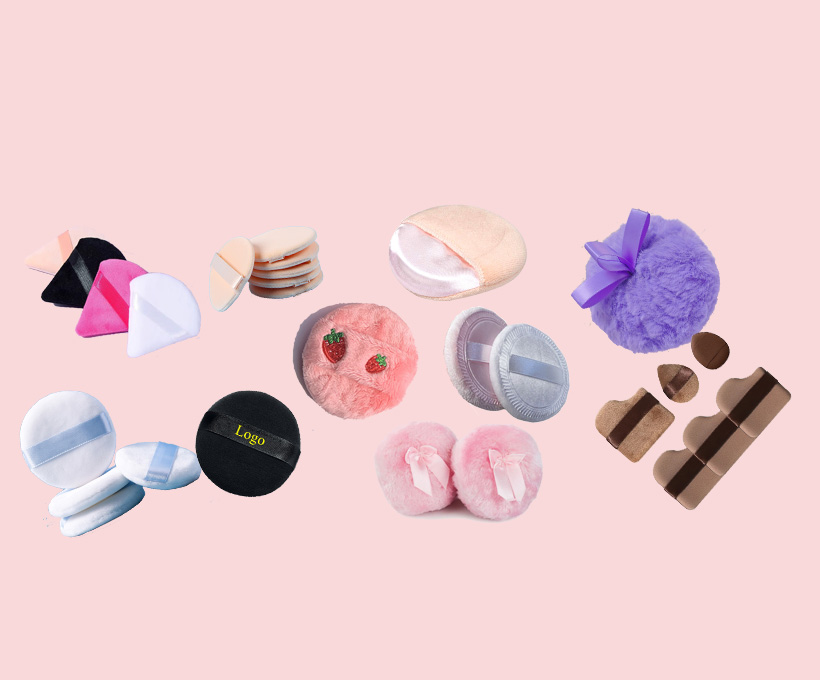
Dive into the fascinating world of powder puff materials with our in-depth guide! Whether you’re an experienced wholesale buyer in the bustling beauty market or just newbie with a passion for makeup essentials, this blog has everything you need. We’ll explore the wide variety of powder puff options out there. Think of the soft, durable feel of cotton, the luxurious feel of velvet, and the cutting-edge features of microfiber. Each material has its own unique benefits and uses, and we’ll break them down for you.
What are Powder Puffs?
Powder puffs are pieces of soft material used for the application of face powder, body powder. They may be shaped as balls or pads. As cosmetics and personal care tools, powder puffs hold a special place. They commonly used to apply cosmetics such as foundation, Translucent loose powder, silky powder, Talc-free body powder, highlight glitter, face setting powder, blusher, bronzer, perfect for targeted touch-ups and full-face setting.
Historically, powder puffs have been made of very fine down feathers, cotton, fine fleece, silk, etc. In modern times synthetic materials are widely used for powder puffs, such as velvet, velour, microfiber, plush, polyurethane, etc.
Here’s a more detailed look at the common materials for Dry makeup powder puffs:
Cotton Powder Puffs: A Beauty Essential
In the constantly shifting landscape of beauty tools, cotton powder puffs have firmly secured their place as an enduring classic. Cotton makeup powder puffs have their own set of distinct advantages and disadvantages. Here’s a breakdown:
Advantages
- Soft and Skin-Friendly: Made from natural cotton, they feel gentle on the skin, suitable for even sensitive types. 100% cotton is less likely to trigger allergic reaction and the gentle touch minimizes the risk of irritation.
- Effective Powder Application: Cotton puffs excel at picking up powder and distributing it evenly across the face. This results in a smooth, natural – looking finish that many makeup enthusiasts love.
- Breathability and Absorbency: These puffs are breathable, which helps prevent the skin from feeling suffocated. Additionally, their absorbency is great for controlling excess oil, keeping your makeup looking fresh and long – lasting.
- Sustainable and Cost-Effective: Most cotton puffs are washable, reusable, and maintain their quality even after multiple cleans, being more economical and environmentally friendly option compared to disposable ones.
Disadvantages
- Excessive Powder Absorption: One of the main drawbacks is that cotton puffs can absorb a significant amount of powder. This not only leads to product waste but can also result in a heavier, less natural makeup look if not carefully controlled.
- Frequent Cleaning Requirements: Due to their absorbency, cotton puffs tend to accumulate oil, bacteria, and makeup residue quickly. Regular and thorough cleaning is essential to maintain hygiene and prevent skin issues.
- Shape and Texture Degradation: With repeated use and washing, cotton puffs often lose their original shape and start to pill. This deterioration can impact the smoothness of powder application, making it less consistent over time.
- Slow Drying Time: Another issue is that cotton puffs take a relatively long time to dry. If not dried properly, especially in humid environments, they become a breeding ground for bacteria, posing potential risks to your skin health.
Plush Makeup Powder Puffs: Luxurious and Efficient Beauty Tools
Plush makeup powder puffs are a favorite among makeup enthusiasts for good reason. Crafted from soft, dense fibers, these puffs feel incredibly luxurious against the skin, offering a gentle and comfortable application experience. Unlike natural cotton, plush are commonly manufactured from synthetic fibers such as polyester. Clients like to customized makeup balls or pads with this fabric.
Advantages
- Ultra-Soft Feel: Plush powder puffs are incredibly soft, providing a luxurious and comfortable application experience that won’t irritate the skin, even for those with sensitivity.
- Great Powder Pickup and Application: Their dense, fluffy texture grabs a good amount of powder and distributes it evenly across the face, creating a smooth, airbrushed finish.
- Long-lasting Coverage: Holds more powder than some other puff types, reducing the need for frequent re-application throughout the day.
Disadvantages
- Difficult to Clean: The thick, plush fibers tend to trap makeup, oil, and dirt, making them harder to thoroughly clean. Residue can build up if not washed properly, leading to bacteria growth.
- Shape and Texture Loss: With repeated use and washing, plush puffs may lose their original fluffiness and shape, which can affect the quality of makeup application over time.
- Potential for Product Waste: They can sometimes absorb more powder than necessary, resulting in product waste and a heavier makeup look if not controlled.
Velvet Powder Puff (Velour Powder Puff)
A velvet powder puff is known for its smooth, luxurious texture, often made from synthetic fibers (like polyester) or natural materials like cotton/ silk. Its tight, sleek pile creates a seamless finish when applying powder,
ideal for:
- Smooth Application: Its sleek texture allows for a seamless, even spread of powder, creating a natural, airbrushed finish. It glides effortlessly over the skin, minimizing the streaks or uneven patches.
- Light Touch: Picks up less powder, making it perfect for light touch – ups and setting makeup without overloading the skin.
- Easy to Clean: The relatively flat and smooth surface doesn’t trap as much product as plush fluffy puffs, so it’s often easier to clean and maintain hygiene.
Disadvantages:
- Limited Powder Pickup: Since it holds less powder, it may require more frequent re-dipping, which can be inconvenient, especially for full-faceor body applicationwhen using loose powders.
- Not Ideal for Heavy Coverage: Struggles to build up heavy layers of powder, making it less suitable for those who prefer a more intense, full-coverage look.
- Shape and Texture Loss: With repeated use and washing, the velvet surface can lose its softness and smoothness, affecting its performance over time.
In Fact, the terms “velour” and “velvet” are often used interchangeably, but there can be subtle differences in material and texture. Velour powder puff has denser and shorter pile, feeling soft, lightly thicker. Velvet tends to be sleeker and smoother with tighter pile. In practice, many brands use “velour” and “velvet” synonymously, so the actual difference may come down to the specific product’s design.
Microfiber Powder Puff:
Microfiber, a revolutionary material which is ultra-fine synthetic fibers, made from materials such as polyester and polyamide (nylon). Microfiber cosmetic puffs are extremely soft and gentle on the skin, providing a comfortable makeup application experience. On the market, main types of microfiber makeup powder puff we often mentioned is flocked powder puff and crystal velvet powder puffs.
- Softness and High Powder Capacity: Incredibly soft and possess a high capacity to hold and disperse the powder. The delicate fibers assist in achieving a flawless airbrushed finish, reducing pore appearance and smoothing away the look of wrinkles.
- Good durability:Microfiber is wear-resistant and not easy to shed, and the powder puff can maintain its original shape and performance after multiple uses and washes.
- Easy to clean: Can be rinsed with mild soap, removing residue effectively for hygienic use.
Disadvantages:
- Less Eco-Friendly: Microfiber is a synthetic material, which might not align with the preferences of environmentally conscious consumers.
- Potential for Irritation: Although generally gentle, some individuals with susceptible skin might experience slight irritation from microfiber.
Beside the classic cotton and synthetic fibers, several other powder puffs materials have made their mark in the realm of powder puff production:
Faux-fur powder puffs: The fluffy part is likely made of materials like synthetic fibers imitating feathers (or possibly real feathers, though synthetic is more common for hygiene and durability). Historically, feather powder puffs were used for applying hair powder. Modern feather powder puffs normally designed with a long lollipop or ribbon, used for body dusting or facial applications.
NBR/SBR/NR sponges: made from natural rubber latex designed to apply makeup, specially powder or foundation to the skin, These latex sponge puffs can be found in various shapes, including triangular (wedge), square and round.
Latex-free Hydrophilic sponge: a sponge that is made from typically polyurethane foam or hydrophilic polyurethane. These alternative materials are used to avoid potential allergic reactions for individuals with latex sensitivities. Beautyblender makeup sponge puff is the most representative product among non-latex products. It can bounce foundation, BB cream, powder, or any other base and complexion product across the face for flawless results.
Silicone makeup sponge Puff: a makeup blender that’s made of a rubbery, silicone material. Also referred to as jelly makeup sponges, silicone makeup sponges come in a range of shapes and sizes and are primarily used to apply foundation, concealer, and face powder.
Silky powder puff: typically crafted from materials such as ultra silky faux fur, fleece, or even natural silk. They are primarily used to apply and set powder, whether it’s face powder, body powder, or other dry cosmetics.
How to Take Care of Your Powder Puff
Proper care of your powder puff will extend its lifespan and ensure a more hygienic makeup application. Here’s some basic steps to maintain your puffs:
First: Regular Cleaning
- Hand wash with mild soap and warm water
- For machine-washable puffs, use a mesh bag and a gentle cycle
Second: Drying
- gently squeeze to remove excess water
- Place the puff in a well-ventilated area, away from direct sunlight, to air dry completely
Third: Storage
- Store in a clean, dry containers, separate from other products to maintain its shape and cleanliness
Conclusion
Nanchang Frey Cosmetics Co., Limited is a leading wholesale makeup puff manufacturer located in China, offering a range of powder puffs with various shapes, sizes, and materials, catering to different customized needs. We hope this article helps you uncover the secrets of powder puff. Please feel free to reach out to us with any questions, and we’ll try our best to provide expert advice together.